
Rock chips are one of the most frustrating kinds of paint damage because they often appear on vehicles that never leave the pavement. A drive on Interstate 90, a stretch behind a dump truck, or a winter road still scattered with grit can leave a hood or bumper marked. Paint protection film will not erase a chip that is already there, but it can help the painted surface take the next hits instead of the paint itself.
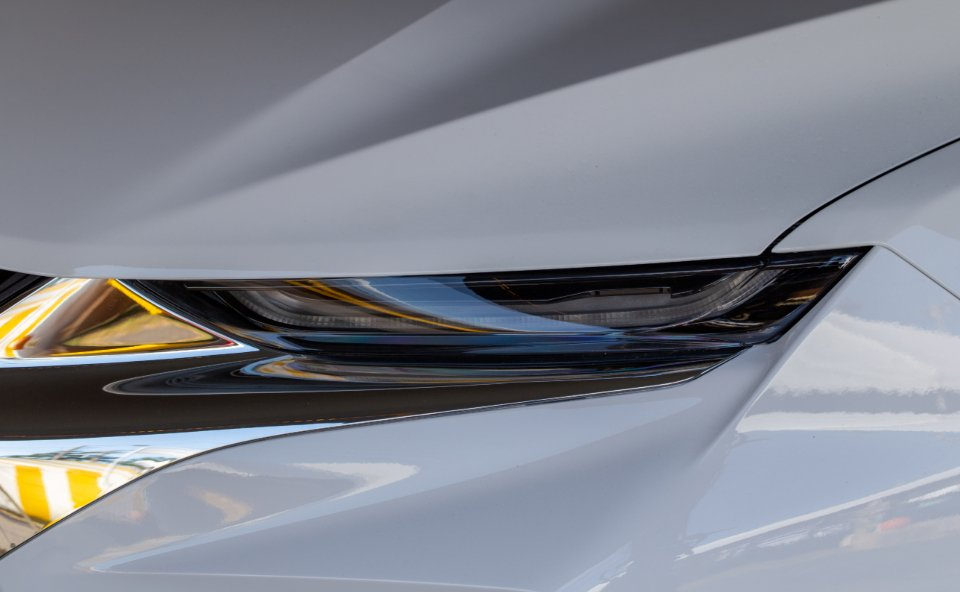
Ceramic Pro Spokane installs KAVACA paint protection film and offers a free inspection at 6315 E Sharp Ave Spokane Valley, WA 99212. This article explains how highway debris reaches the front of a vehicle, what film can and cannot do, and how to talk through coverage in the shop.
Already seeing chips on the hood or bumper?
Call (509) 534 3529 or book a free inspection. Mention the chips you see and the kind of roads you drive so the visit can start with the front of the vehicle, not a generic speech.
Key takeaways
- Highway speeds and road debris are enough to chip paint on a daily commute.
- Film is meant to take the impact so the paint underneath is less likely to chip.
- Existing chips should be discussed before film goes on, because film protects what is under it.
- The most exposed panels are usually the bumper, the leading edge of the hood, the mirrors, and the fenders.
- A free inspection is the honest way to decide how much coverage you actually need.
How rock chips happen on ordinary Spokane roads
You do not need a dirt road to pick up chips. Small stones, sand, and loose material sit on the pavement and then get thrown forward when a vehicle ahead of you hits them at speed. Interstate 90, the connectors into Spokane Valley, and construction zones are all common places for that to happen. The front of the vehicle takes most of it: the bumper, the hood, the mirrors, and sometimes the leading edges of the fenders.
In colder months, traction sand and grit can stay in the road long after a storm has passed. In warmer months, dry debris and work zone gravel still find the same panels. Trucks, SUVs, and lower cars get hit in slightly different places, which is why a useful conversation starts with your vehicle and your route, not with a single coverage map for every driver.
Following another vehicle closely on the highway raises the odds. So does regular travel through areas where the pavement is broken or freshly worked. If that describes your week, film on the most exposed panels is a practical thing to discuss, even if the rest of the vehicle looks fine.
What paint protection film can do, and what it cannot
Paint protection film is a clear, tough film applied to painted surfaces. It is meant to absorb or spread the impact from small rocks and debris so the paint underneath is less likely to chip. People also call it PPF or a clear bra. It is not a wax, and it is not a ceramic coating. Those products can help with gloss and easier washing. Film is the layer that stands up to impact.
Film will not make an existing chip disappear. If the paint is already broken, that area should be part of the inspection. The shop can tell you whether the chip should be addressed before film is applied, and what is realistic for the color and the panel. Starting with a surface you are willing to live with is usually the better path.
Film also will not make a vehicle immune to every kind of damage. A hard impact, a shopping cart, or a large rock can still leave a mark. The point is better protection for the most abused panels, not a promise that nothing will ever happen again.
Which panels are worth talking about first
Most daily drivers start the conversation at the front of the vehicle. The bumper and the leading edge of the hood take repeated hits. Mirrors and fenders are next for many highway commuters. Some owners also ask about rocker panels, the edge of the rear cab on a truck, or fuller front coverage.
Fuller coverage is a choice, not a requirement. An inspection should help you match coverage to the way you actually drive. A short Valley commute and a weekly highway run to Coeur d’Alene or Cheney may justify different maps of the same vehicle.
If you already have chips in a cluster on one panel, point them out. That pattern tells the shop where the vehicle is getting hit and whether the nearby paint should be included in the plan.
Bring the vehicle in and look at the chips together.
Call (509) 534 3529 or request a free inspection at the Spokane Valley shop. It helps to mention Interstate 90 time, gravel, or construction zones, and whether the vehicle is new or already marked.
How film fits with coating and detailing
Many owners use film for impact protection and a ceramic coating for a slicker, easier to wash surface. The order of work matters. If the paint needs cleaning or correction first, that should happen before film goes on. auto detailing can be part of getting the surface ready, or part of later care, depending on the plan.
You do not have to decide every service in one afternoon. A good inspection will help you prioritize the front of the vehicle if chips are the main worry, and then talk about coating or other work if you want it. The shop should not treat the visit as a list of add ons you did not ask for.
Ceramic Pro Spokane is a certified installer and notes that KAVACA film is part of the shop’s paint protection work. Warranty details, coverage options, and any related coating plans belong in the inspection so they match this vehicle.
What to do if chips are already there
Do not ignore a chip that has gone through the paint, especially on a front panel that will keep taking hits. Left alone, some chips collect dirt or spread. That does not mean every tiny mark needs the same treatment. The shop can look at the size, the depth, and the color, and then tell you what is realistic before film is discussed.
If the vehicle is otherwise in good shape, film can still be worth talking about for the next miles. If the front is already heavily marked, the inspection should be honest about what can be improved and what will still be visible under or beside the film.
If you share the vehicle with another driver, ask them where they notice new marks as well. A person who drives the same car on a different route may see chips you have stopped noticing. Those extra eyes can make the inspection more complete.
It also helps to say whether you plan to keep the vehicle for a long time or only for a few more years of daily use. That does not change the physics of a rock chip, but it can change how much coverage you want to talk about today versus later.
How to book the inspection
Call Ceramic Pro Spokane at (509) 534 3529 or use the free inspection page. Say that you want to talk about rock chips and paint protection film, and mention the panels that already show damage. The shop is at 6315 E Sharp Ave Spokane Valley, WA 99212.
Hours are Monday to Friday, 8 a.m. to 5 p.m., and Saturday, 9 a.m. to 2 p.m., with Sunday closed. The shop is family owned and serves Washington and Idaho. If you want a little background first, you can read about the shop.
Frequently Asked Questions
Will paint protection film fix the chips I already have?
No. Film protects what is under it. Existing chips should be discussed during the inspection so you know whether they should be addressed first and what will still be visible.
Is film only for new cars?
No. A daily driver that already sees highway miles can still be a good candidate, especially on the most exposed panels. The condition of the paint just has to be part of the plan.
Which areas chip the most on a Spokane commute?
The front bumper, the leading edge of the hood, the mirrors, and the fenders are the usual places. Your route and your vehicle height can change that map, which is why an in person look is useful.
Can I add a ceramic coating as well?
Yes. Many owners use film for impact and a coating for easier washing. Ask about the order of work during the free inspection.
How do I get started?
Call (509) 534 3529 or request a free inspection. Ceramic Pro Spokane is at 6315 E Sharp Ave Spokane Valley, WA 99212.
Let the film take the next hit, after an honest look at the chips you already have.
Call (509) 534 3529 or book a free inspection at Ceramic Pro Spokane. The shop is at 6315 E Sharp Ave Spokane Valley, WA 99212.
See our latest work on Facebook to look at recent projects from Ceramic Pro Spokane in Spokane Valley.